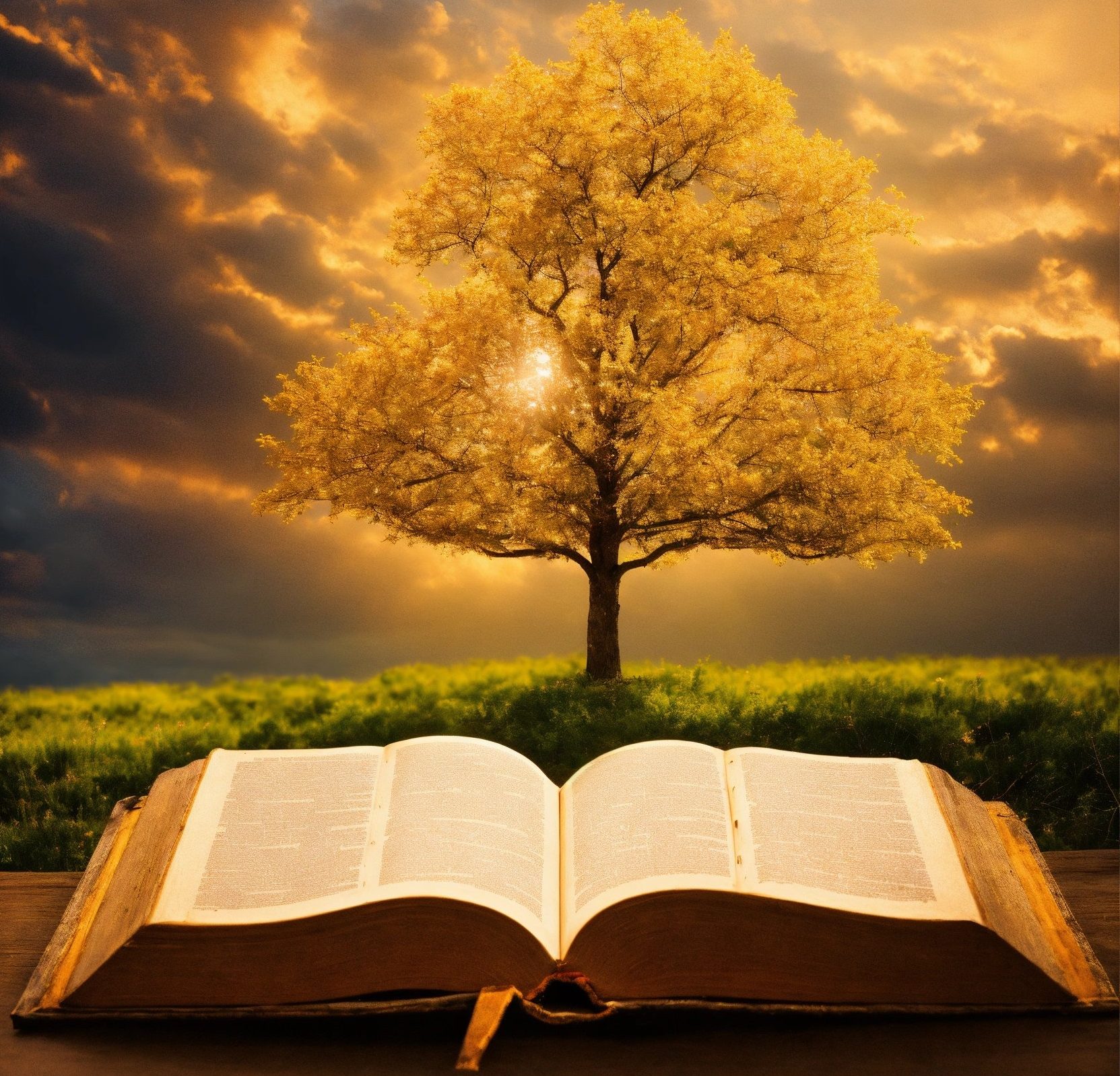

The Nephilim

Does the Bible convey the existence of actual, human giants in ancient times?
This is a question raised by the mention of “Nephilim” in Genesis 6:1-4.
To comprehend this, we delve into the background. Interpretations of these verses vary, with two prevailing suggestions:
- “Sons of God” representing the righteous descendants of Seth, and “daughters of humans” being the rebellious descendants of Cain. Their intermarriage supposedly gave rise to ambitious offspring who became legendary heroes.
- “Sons of God” interpreted as fallen angels, and “daughters of humans” as ordinary people. In this view, these fallen angels intermarried with humans, producing giants renowned for their legendary feats.
The Nephilim resurface in Numbers 13:33 when Israelite spies explore Canaan. Their report describes the Nephilim, portraying them as towering figures, leaving the spies feeling as small as grasshoppers in comparison.
The Angels
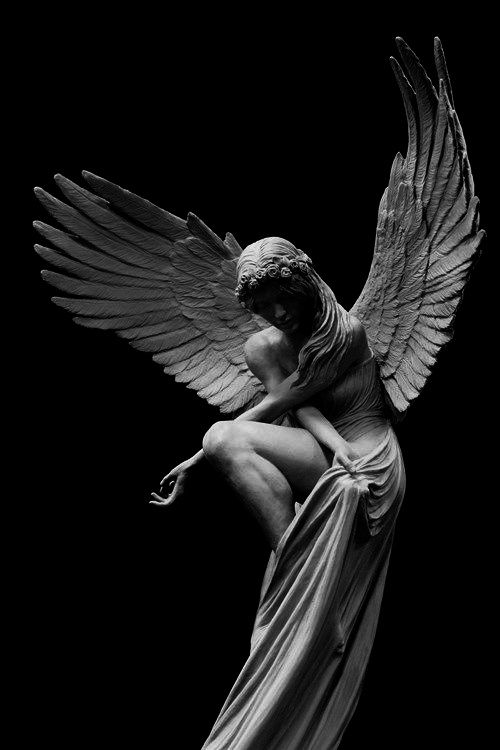
Angels, frequently mentioned in the Bible, are depicted as supernatural beings with formidable power, capable of appearing and disappearing at will. Their appearances vary, ranging from ordinary to bright and awe-inspiring, often eliciting fear. Interestingly, the common reassurance they offer is, “Don’t be afraid.” Despite their extraordinary nature, angels consistently reject worship, redirecting it toward God (Revelation 22:8-9). The Bible maintains a clear distinction between angels and humans, emphasizing that angels serve God’s people, and in the afterlife, humans will judge angels (Hebrews 1:14, 1 Corinthians 6:3).
1. Guardians: An angel with a shining sword is stationed at the entrance to the Garden of Eden to prevent Adam and Eve from returning (Genesis 3:24).
2. Messengers: Angels appear as three strangers to Abraham, discussing God’s plans (Genesis 18). The angel Gabriel announces to Mary the birth of Jesus (Luke 1:26-38), while a group of angels heralds Jesus’s birth to shepherds (Luke 2:8-20).
3. Executioners: In response to a poor decision by the Israelite king, God inflicts a plague, symbolized by an angel striking down people with a sword (2 Samuel 24:15-17).
4. Warriors: A war in heaven is described, where angels led by Lucifer rebel against God. The archangel Michael and loyal angels defeat the rebellious faction (Revelation 12:7).
5. Comforters: Angels attend to Jesus after his temptation by Satan in the desert, providing comfort and care (Matthew 4:11).
Demons
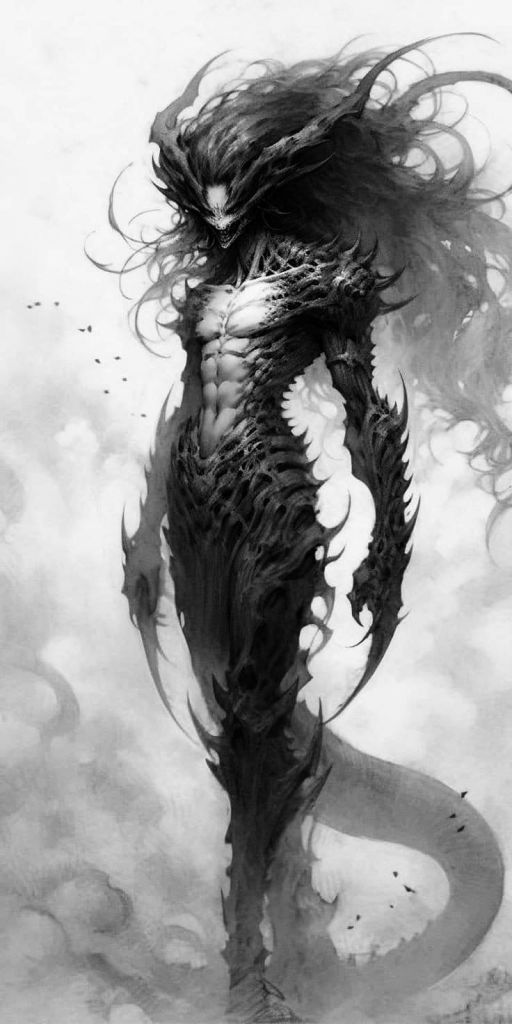
1. Nature of Demons: In biblical context, demons are identified as “fallen angels,” possessing abilities akin to their virtuous counterparts but employing them for malevolent purposes.
2. Heavenly Conflict: The Bible narrates a celestial conflict wherein Lucifer, also known as Satan or “the Devil,” rebels against God. The Archangel Michael leads loyal angels in expelling them from heaven to Earth (Revelation 12:7).
3. Earthly Role: On Earth, demons play a disruptive role, actively seeking to thwart God’s plans, inflict suffering on humans, and entice individuals to rebel against God.
4. Possession and Influence: Unlike independently taking human form, demons in the Bible possess individuals or animals, influencing them to engage in destructive behaviors. For instance, Jesus expels demons from a possessed man, transferring them to a herd of pigs, leading to their demise (Mark 5:11-13).
5. Symbolic Imagery: The book of Revelation symbolically depicts Satan, the leader of demons, as a red dragon. It emphasizes his deceptive nature by noting that he “masquerades as an angel of light” (Revelation 12:9, 2 Corinthians 11:14), presenting his actions as benevolent when, in reality, they are harmful.
6. Deceptive Appearance: Satan attempts to make himself and his actions look good, despite their harmful nature. This deceptive masquerade is highlighted in Revelation and 2 Corinthians.
7. Ultimate Fate: According to the book of Revelation, the ultimate destiny for Satan and his malevolent cohorts is Hell, a realm of punishment (Revelation 20:10).
Leviathan, the Sea Monster
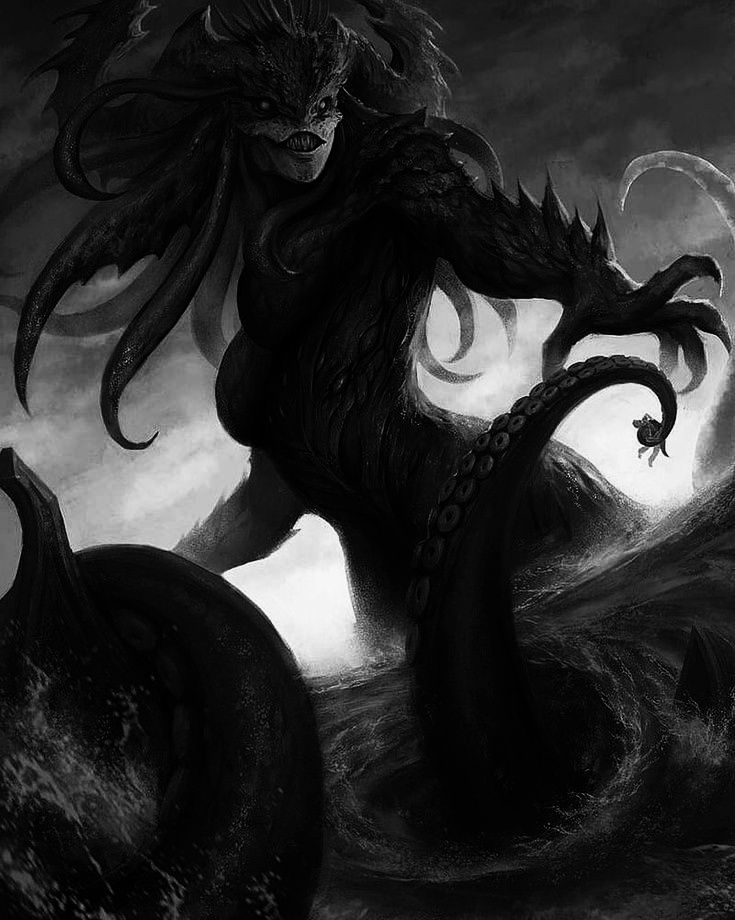
1. Biblical Mentions: Several Old Testament passages reference the “Leviathan,” a sea monster. However, it remains uncertain whether this creature is a literal being or a symbolic figure used for representation.
2. Description: The Bible portrays the Leviathan as a formidable sea creature with strength, armor, numerous teeth, and the ability to breathe fire. It creates trenches in the mud when walking on land and has the power to churn up the sea (Job 41).
3. Divine Creation: Interestingly, the Bible suggests that God formed the Leviathan to “frolic” in the deep sea (Psalm 104:26) and that God could use it to feed creatures in the desert (Psalm 74:14).
4. Isaiah’s Description: Isaiah 27:1 describes Leviathan as a gliding, coiling serpent and foretells that God would eventually defeat it with a great sword.
5. Interpretations: Some believe Leviathan could have been an actual extinct species, such as a prehistoric reptile or even a surviving fire-breathing dragon. Alternatively, it is proposed that ancient people, upon discovering fossils, constructed stories based on these findings. Many cultures, including those of Egypt and Mesopotamia, have legends of sea monsters.
6. Symbolic Usage: Another perspective suggests that the Bible’s writers used Leviathan as a metaphorical, mythological creature to illustrate that God surpasses even the mightiest entities, emphasizing divine strength.
Cherubim

1. Ezekiel’s Vision: The Old Testament prophet Ezekiel recounts a vision featuring a windstorm, flashing lightning, and intense light. At the center of this spectacle were four creatures known as cherubim. Despite modern associations with cherubs as chubby baby angels, Ezekiel’s description is vastly different. Each cherub has four wings and four faces: a man, a lion, an ox, and an eagle. Accompanying them are intersecting wheels covered in eyes, believed to be the cherubim’s spirits (Ezekiel 1:4-21).
2. Symbolism and Speculation: Ezekiel’s vivid and mechanical descriptions, including the wheels, have led some to speculate about a UFO encounter. However, scholars interpret these visions symbolically, suggesting the creatures represent different aspects of creation or deities worshipped by various people. Despite their power and all-seeing nature, they are depicted as subordinate to the one God, ready to carry out His wishes.
3. Revelation’s Similar Description: The Bible echoes a similar description in Revelation 4:6-8, where four living creatures around the throne of God take the form of a lion, an ox, a man, and an eagle. In this depiction, each creature has six wings, and instead of wheels, they are adorned with eyes.
4. Symbolic Meaning: These descriptions, laden with symbolic meaning, portray these supernatural beings as under God’s power, representing diverse aspects of creation. They emphasize their readiness to carry out the divine will, serving as powerful and all-seeing entities within the divine order.
Daniel’s Prophetic Visions

1. Daniel the Prophet: In the Old Testament book of Daniel, Daniel emerges as a prophet of God serving as an advisor to Babylonian and Persian kings post the conquest of Israel and Judah. Gifted in dream interpretation, Daniel’s insights play a pivotal role in the unfolding narrative.
2. Nebuchadnezzar’s Dream (Chapter 2): Babylonian King Nebuchadnezzar dreams of a statue with varying materials representing successive kingdoms—gold, silver, bronze, iron, and mixed iron and clay. A rock demolishes the statue, symbolizing God’s eventual establishment of an everlasting kingdom after the demise of earthly powers.
3. Symbolic Interpretation: Daniel sees the materials as depicting kingdoms diminishing in glory over time, culminating in God’s ultimate kingdom. This vision foretells the transience of human kingdoms, replaced by God’s enduring rule.
4. Daniel’s Dream (Chapter 7): In another dream, Daniel envisions four beasts emerging from the sea, representing different kingdoms ruling over Israel. The symbolic creatures include a lion with eagle’s wings, a bear devouring three ribs, a four-winged, four-headed leopard, and a fearsome beast with iron teeth, bronze claws, and 10 horns.
5. Interpretations and Successive Kingdoms: Scholars propose interpretations aligning these creatures with historical kingdoms—Babylonia, Media, Persia, and the Seleucid Greeks. Variations exist, with some considering Rome as the fourth kingdom. Alternatively, modern interpretations connect the iron and clay feet to contemporary nations, speculating on Jesus’ return during this era.
6. Eternal Kingdom Theme: Regardless of interpretations, the overarching theme emphasizes the temporal nature of human kingdoms, with God’s enduring kingdom destined to replace them—a concept echoed in the anticipation of Jesus’ birth marking the inception of an eternal, global church.
The Red Dragon in Revelation’s Apocalypse

The book of Revelation, characterized by its apocalyptic style, serves as the final chapter in the Christian Bible, employing symbolic language to convey profound messages. Within this intricate narrative, a central image of malevolence takes form—a red dragon adorned with seven crowned heads and ten horns, identified as the ancient serpent, the devil, or Satan (chapters 12, 13, 16, and 20).
The red dragon’s actions unfold in a series of symbolic events:
1. Celestial Upheaval: With its tail, the dragon sweeps a third of the stars (potentially representing angels) from the sky, casting them to the earth.
2. Antagonism Towards Jesus: The dragon attempts to thwart Jesus, embodying a force in opposition to divine purpose.
3. Downfall to Earth: Cast down to Earth, the dragon, accompanied by angels who followed suit, faces a descent from celestial realms.
4. Conflict Against God’s People: Waging war against God’s people, the dragon symbolizes persecution and opposition to the faithful.
5. Deceptive Influence: Two symbolic “beasts” influenced by the dragon emerge, orchestrating efforts to compel worship.
6. Demonic Emissaries: The dragon dispatches demonic spirits, adding a dimension of malevolence to the cosmic narrative.
7. Imprisonment and Judgment: The ultimate fate of the dragon is foretold—he will be imprisoned and eventually consigned to Hell, a realm of divine retribution.
Despite the dragon’s fearsome presence, the narrative concludes with a triumphant resolution, marking the defeat of evil and the establishment of universal peace and harmony under God’s sovereign rule on a rejuvenated Earth. Interpretations of the book’s symbols and imagery may vary among Christians, contributing to diverse perspectives on the profound messages encoded in the apocalyptic revelations.
The Enigmatic Beasts: Sea and Earth Unleashed

In Revelation’s vivid tapestry of apocalyptic visions, the thirteenth chapter unveils a mysterious duo: the Beast of the Sea and the Beast of the Earth.
Beast of the Sea:
1. Physical Appearance: Resembling a leopard with bear’s feet and a lion’s mouth, echoing the creatures in Daniel’s prophetic vision.
2. Features: Boasting seven heads, adorned with blasphemous names, and ten horns, each crowned. Notably, a wounded head miraculously heals.
3. Persecution Role: Instrumental in persecuting God’s people under the influence of Satan. Garnering global worship from those who do not follow God.
Beast of the Earth:
1. Origin: Emerges from the Earth, presenting with two lamb’s horns and the voice of a dragon (Satan).
2. Collaborative Role: Allies with the Beast of the Sea, employing miraculous wonders like summoning fire from the sky. Manipulates trade, controlling people’s ability to buy and sell.
3. Numeric Symbolism: Associated with the infamous number 666.
Interpretations:
1. Historical Ties: Some associate the beasts with the Roman Empire, citing the city’s location on seven hills and Emperor Nero’s epithet as the “Beast.”
2. Government and Religion: Representations of intertwined forces misguiding and controlling people, potentially reflecting historical or future regimes.
3. Universal Authority: Seen as symbols of a future global government and religion orchestrating persecution against Christians.
Despite diverse interpretations, the overarching message of Revelation remains clear: God’s people will endure periods of intense persecution, culminating in the return of Jesus. A day of judgment will unfold, ushering in a new creation under His benevolent rule, free from suffering and adversities.
Behemoth
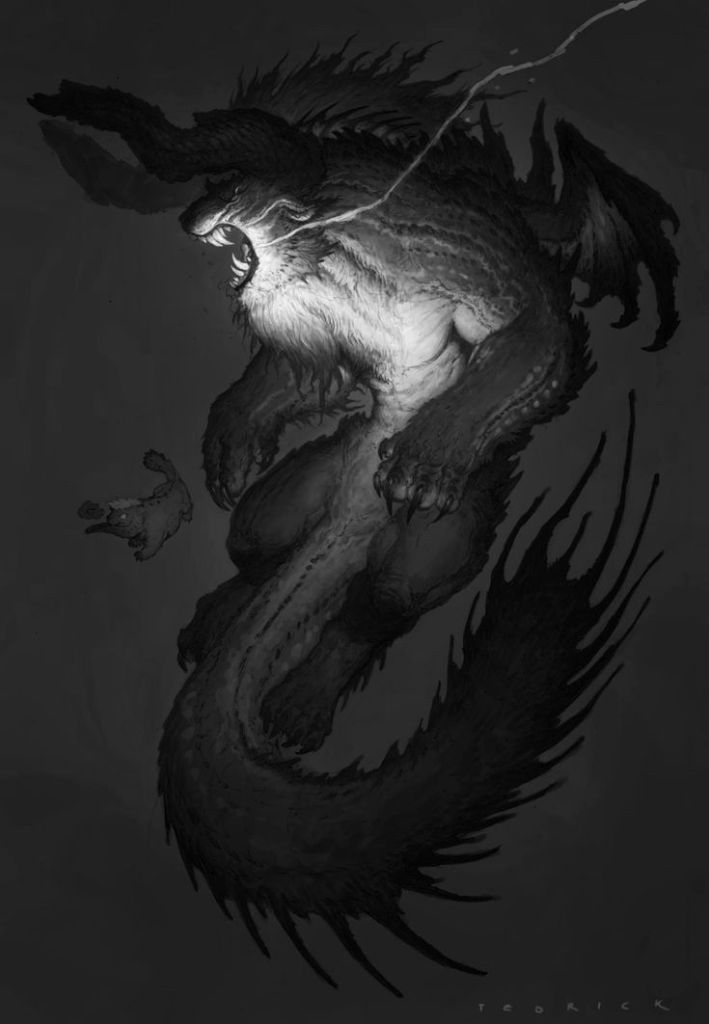
1. Biblical Enigma: The Behemoth, a subject of biblical discussion, has sparked debates among historians, with varying interpretations.
2. Colossal Size: Regardless of interpretations, there is a consensus on Behemoth’s colossal size, emphasizing its extraordinary nature.
3. Belly Button Mention: Notably, the Book of Job mentions Behemoth’s belly button, adding an intriguing detail to its description.
4. Gigantic Creature: Described as dwelling among reeds, Behemoth is depicted as a giant creature with unparalleled power, subject only to God’s control.
5. Consuming Rivers: The biblical account suggests Behemoth’s capability to consume entire rivers, highlighting its strength, mentioned repeatedly in a single paragraph.
6. Navel Detail: The mention of “navel of his belly” raises questions, as it contradicts the idea of Behemoth being a dinosaur, given the absence of navels in egg-hatching creatures.
7. Modern Interpretations: Current interpretations often lean towards identifying Behemoth as either a hippopotamus or an elephant.
8. Metaphorical Debate: Despite tangible descriptions, a lingering debate questions whether Behemoth is a literal creature or a metaphor symbolizing God’s omnipotent power.
Cockatrice
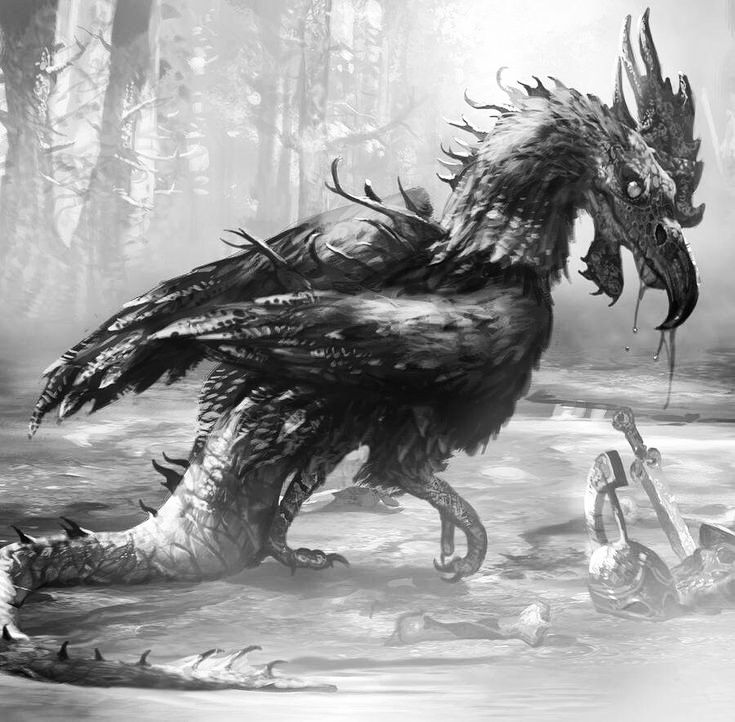
1. Biblical Apparition: The King James translation of the Book of Isaiah introduces the enigmatic creature known as the cockatrice.
2. Foreboding Presence: Mentioned in passages describing the works of evil men, the cockatrice adds an ominous tone to the biblical narrative.
3. Mythological Roots: The cockatrice, a creature more prevalent in medieval mythology, resembles a winged serpent with a rooster’s head—a fantastical blend akin to a low-key dragon.
4. Origin Tale: According to myth, a cockatrice emerged when a rooster laid an egg, subsequently cared for by a toad or snake, reminiscent of fantastical narratives like “Horton Hatches An Egg.”
5. Noah’s Ark Quirk: While the idea of peculiar chicken-snakes on Noah’s ark is intriguing, scholars suggest that the cockatrice’s inclusion in the Bible might be a medieval translation eccentricity.
6. Translation Quandary: The King James Bible introduces the term, but other versions interpret the Hebrew root word “tsepha” differently, opting for “adder” or “viper” instead of the mythical creature.
7. Medieval Anomaly: The presence of the cockatrice in biblical texts appears to be a product of medieval translations, contributing to its uniqueness in the biblical bestiary.
Unicorns

1. Linguistic Labyrinth: The Bible, translated into numerous languages, has undergone extensive interpretations, giving rise to diverse understandings over time.
2. King James Quirk: The early 17th-century King James Bible intriguingly references unicorns nine times, adding a mythical touch to the biblical narrative.
3. Simile References: Generally employed as similes, unicorns serve as points of comparison in various passages, contributing to the poetic language of the scripture.
4. Isaiah’s Unicorns: The Book of Isaiah takes a unique turn, depicting a scene where, amidst divine actions, unicorns and bulls overrun the land of Idumea, adding an element of foretold chaos.
5. Symbolic Simplicity: Unicorns in the Bible often serve symbolic roles, enhancing the richness of biblical imagery with their mystical presence.
6. Translation Challenges: The mention of unicorns in the King James Bible highlights the challenge of translating certain words, prompting varied interpretations and filling linguistic gaps.
7. Idumea’s Fate: In the biblical narrative, as God wields a sword filled with blood and ram kidneys, the land of Idumea faces an ominous prophecy involving the destructive presence of unicorns and bulls.

 Faith & Reason Nexus
Leave a comment