

The Law Books Designation:
1. Greek Terminology: In Greek, the law books are termed “Pentateuch,” where “Penta” signifies five, and “Tauch” implies together.
2. Hebrew Reference: In Hebrew, these law books are referred to as “Torah,” signifying the concept of law.
Moses: The Law Giver and Author
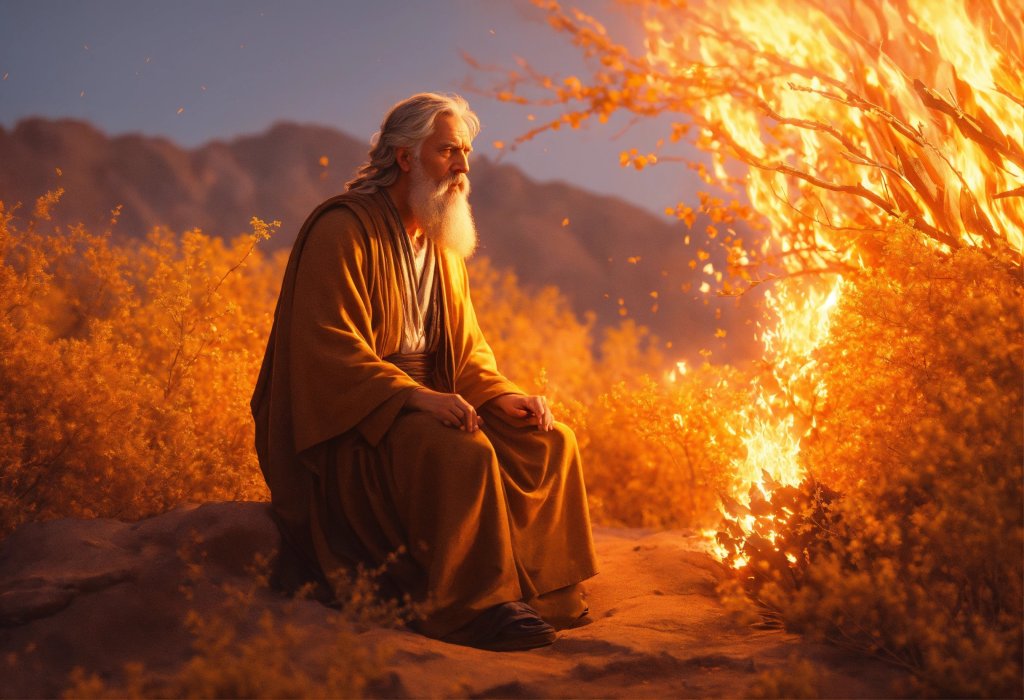
Moses, known as the law giver, wrote the first five books guided by divine inspiration. Surprisingly, in Deuteronomy, Moses wrote about his own death. In Exodus 20, after the initial ten commandments were broken, God personally wrote them again, instructing Moses to write them in Hebrew. This marked the beginning of Hebrew as a written language.
Moses, who initially only knew Egyptian and Midian languages, started learning Hebrew in both its written and spoken forms. Despite being a beginner, Moses committed himself to mastering Hebrew. Research suggests that putting together these five books took about 40 years. As a result, we can expect differences in language and expression between the early and final books. Moses, a beginner when he started, naturally improved in his language skills as he wrote his later works.
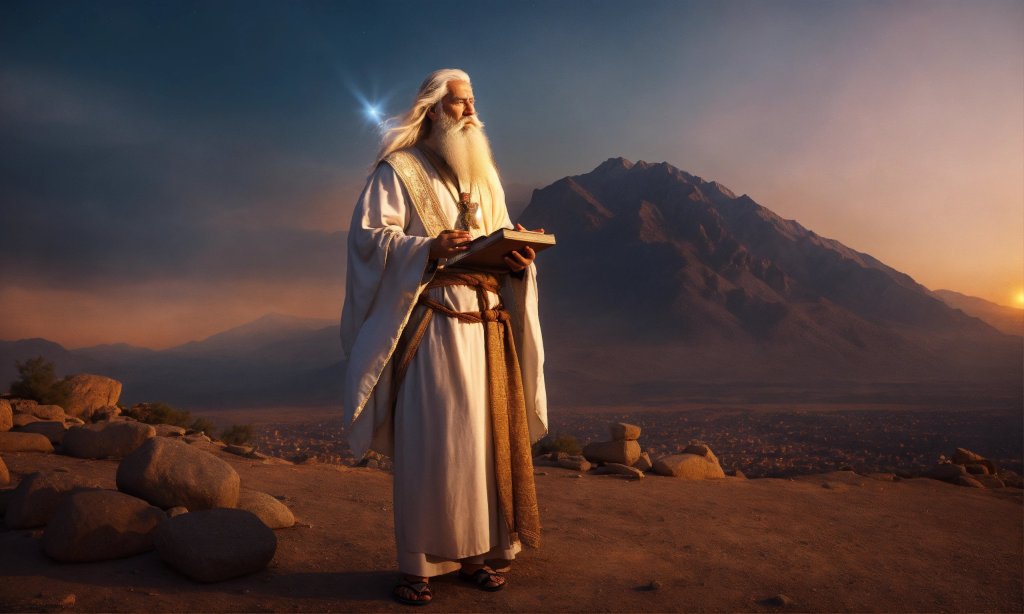
Moses’ Journey in Writing the Ten Commandments
Moses wrote the Ten Commandments again after the first set was broken. This happened in Exodus 20, which was the beginning of the Bible written by Moses. In translations, it might not be easy to notice, but in the Hebrew Bible, Moses wrote from Exodus 20 to Exodus 40 as the first chapters of the book. Moses started with simple words and grammar as a beginner, especially in Exodus 20. Then, as he progressed through Genesis 1-50, he improved in Hebrew. Exodus 1-19 saw the completion of the first two books of Torah.
Later, inspired by God, Moses used a more advanced level of Hebrew for Levisticus and some chapters in Numbers. Finally, in the remaining chapters of Numbers and Deuteronomy, he wrote in a conversational, spoken language, finishing the first five books of the Bible. While translated versions might not capture these nuances, those reading the Hebrew Bible could appreciate the ups and downs in the language level throughout Moses’ writing journey.

Genesis 1-11: From Creation to the Tower of Babel
These chapters in Genesis cover a significant span of events. It starts with the creation of Adam and Eve, the story of curses, Cain and Abel, the tragic murder of Abel, the birth of Seth, and leads to Genesis 6 where God, troubled by human sins, chooses Noah and his sons. The narrative unfolds with the construction of the ark, a 300-day flood, the emergence of new life, and the multiplication of people. Finally, it concludes with the account of the Tower of Babel, where God intervenes by separating people through different languages. This section of Genesis showcases the early stages of humanity, its trials, and the divine interventions that shaped its course.
Genesis 12-50: The Journey of Abraham, Isaac, Jacob, and the Move to Egypt
In Genesis 12-50, a significant portion revolves around three central figures: Abraham, Isaac, and Jacob. After 99 years, Abraham and Sarah are blessed with a boy, Isaac, fulfilling God’s prophecy. Through Isaac and Rebekah, Jacob was born. The narrative follows Jacob’s life and his 12 sons. A pivotal moment arises when Joseph, one of Jacob’s sons, becomes a minister in Egypt. Eventually, due to a famine, Jacob and his 11 sons migrate to Egypt, totaling 70 people. It is during this time that God changes Jacob’s name to Israel, and his descendants become known as Israelites. Genesis concludes with this migration, marking a crucial juncture in the biblical narrative.
From Sorrow in Egypt to the Ark of the Covenant
The book of Exodus opens with the sorrowful plight of the Israelites under a Pharaoh who knew nothing of Joseph and subjected them to harsh treatment. The first two chapters delve into the struggles of the Israelites in the land of Goshen. The narrative then shifts to the birth of Moses, his precarious early years, and how he was cared for by Pharaoh’s daughter.
Moses’ life takes a turn as he flees to Midian, marries Jethro’s daughter, and resides there for four decades. It is during this time that God speaks to Moses, and with Aaron’s assistance, they embark on the mission to liberate the Israelites from Egypt. The ten plagues in the story of Exodus were like signs or messages to the Egyptians, showing that the God of the Israelites was more powerful than their gods. For instance, when the Nile River turned into blood, it was a way of challenging the Egyptian belief in Hapi, their god associated with the Nile, seen as a father figure. Each plague was a way of showing that the God of the Israelites was in control and superior to the gods the Egyptians believed in.
The journey continues with the crossing of the Red Sea, protection by a cloud and fire pillar, the provision of manna (angel’s food), and the transformation of bitter water at Marah into sweetness. God manifests numerous miracles throughout this period. It is in this context that God delivers the first commandment, urging the people not to have idols or worship other gods. The narrative reaches a pivotal moment with the giving of the Ten Commandments in written form.
As the journey progresses, the construction of the Ark of the Covenant is detailed, housing the Ten Commandments, some manna, and Aaron’s rod. The divine presence in the covenant is symbolized by a tent covering. Exodus unfolds as a saga of liberation, divine guidance, and the establishment of foundational principles for the Israelites.

Worship, Sacrifices, and Festivals
The book of Leviticus focuses on the responsibilities of the Levite people, emphasizing their key roles in worship and teaching about God. It plays a crucial role in detailing the five types of sacrifices—burnt, sin, trespass, peace, and cereal offerings. Leviticus explains how, when, and by whom these sacrifices should be offered, including instructions on animal slaughtering, the roles of high priests, junior priests, and the general community. In addition to the Ten Commandments, Leviticus provides various laws, encompassing social, ceremonial, and religious aspects. These laws serve to guide the people in living a righteous and orderly life. The book also introduces seven important feasts: Passover, Unleavened Bread, First Fruits, Pentecost, Trumpets, Day of Atonement, and Sukkot. Each feast holds significance in the religious calendar, marking various aspects of worship, remembrance, and thanksgiving. Leviticus, therefore, becomes a comprehensive guide for the spiritual and communal life of the Israelites.
12 Tribes’ Journey
Numbers in the Bible is like a big story about the 12 Tribes of Israel. It talks about their jobs, and what they do when they travel. It’s like a guide for their journey, showing where each tribe should go and what they should carry. The book also shares facts about how many people are in each tribe, making it feel like a big family reunion. But it’s not just about happy times – Numbers also talks about what happens if someone doesn’t follow the rules. There are consequences mentioned to teach everyone the importance of behaving well. Numbers is an exciting about the tribes facing challenges and fighting with other nations.
The Second Laws
Deuteronomy, which means “second law,” marks the transition from the desert to the promised land for the generation born during the 40-year journey. This journey, led by Joshua and Caleb, saw the passing away of everyone from the older generation, making way for a fresh start with a new generation. The book is structured around three significant sermons focusing on the promised land – the Covenant of God, the Promises of God, and the Acts of God. These sermons serve as a guide for the people, reminding them of their commitment to God and the promises made to their ancestors. Deuteronomy is a fitting conclusion to the first five books of Moses, known as the Torah. It represents a culmination of the journey, offering a second chance for the people to embrace their destiny in the promised land and emphasizing the importance of keeping faith with God.


 Faith & Reason Nexus
Leave a reply to Exploring the JEPD Theory. – Site Title Cancel reply